

Every Florida stucco wall cracks eventually. That's not a defect in your house or a knock on your builder. It's physics, and in Florida the physics work overtime. If you understand what the climate does to a stucco wall through the year, you'll know which cracks are routine and when your house is telling you something new.
Stucco is rigid. Your house is not.
Stucco is a hard, brittle skin over a structure that flexes. Wood framing swells and shrinks with moisture. The slab rises and falls with our water table. When the structure moves even a quarter inch, something has to give, and stucco gives by cracking. In drier, steadier climates this happens slowly. Here it happens on fast-forward.
The humidity cycle is the engine
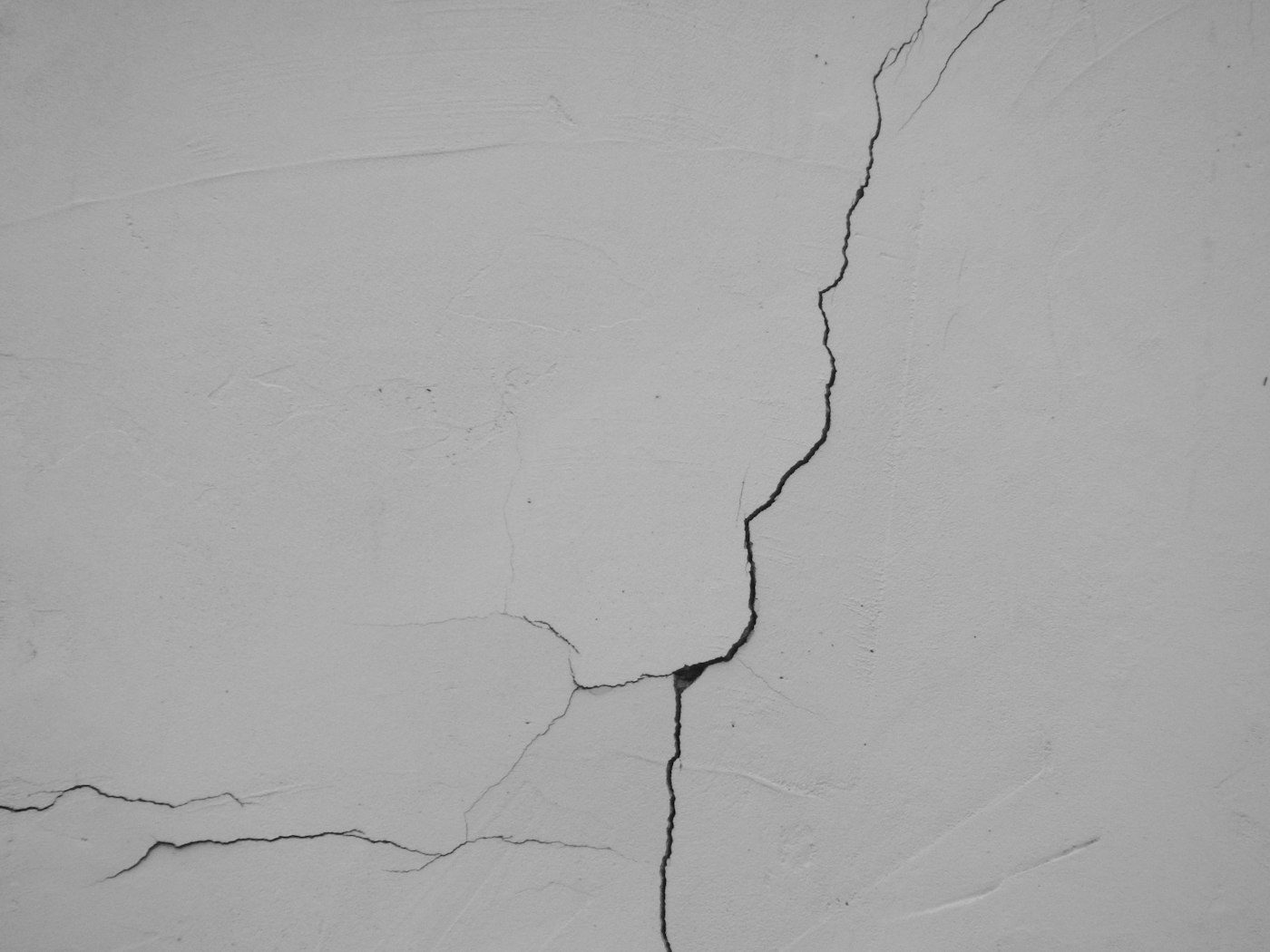
Florida runs a wet season and a dry season, and your walls live both. Through summer, humidity soaks into exterior walls daily and the framing behind the stucco swells. Then the dry season pulls that moisture back out and everything contracts. Every year your wall cycles through swell and shrink, and every cycle stresses the bond between stucco and structure. Hairline cracks along that stress are normal. New walls crack most in their first year or two, then settle into a pattern.
Summer heat makes it worse
A west-facing wall in a Florida August can swing 40 degrees between afternoon and midnight. The stucco surface expands in the sun and snaps back at night, every single day, for months. That daily flexing is why so many Florida cracks show up on sun-facing walls first. Shade trees and covered lanais genuinely help; the walls that stay cooler crack less.
Storm season adds its own stress
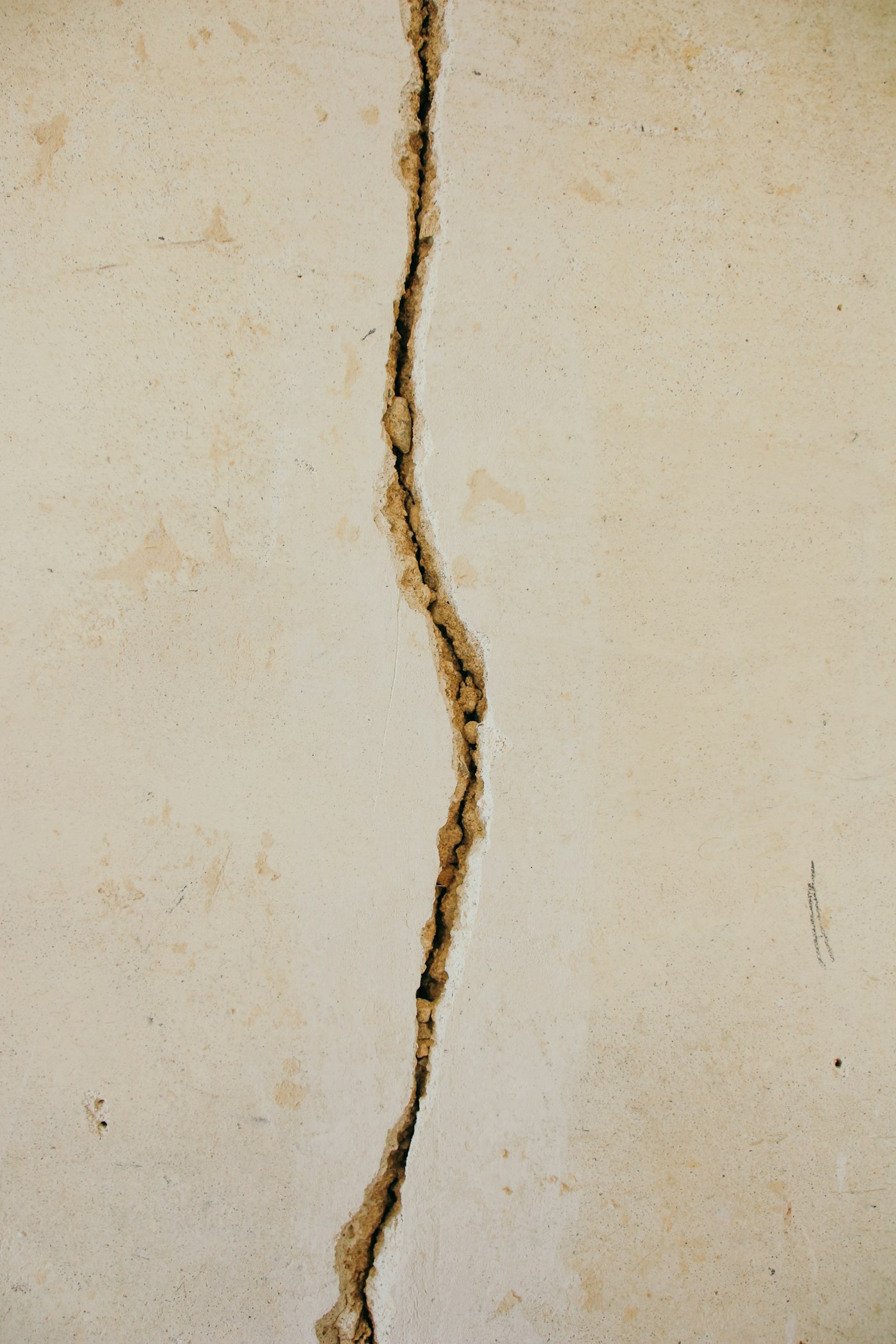
Tropical systems don't just blow rain at your walls; they drive it sideways under pressure into any gap that exists. Then the sun comes out and bakes the wall wet from the outside in. Wind-driven rain finds every unsealed penetration, every failed caulk joint, every crack that was cosmetic in March. After an active storm season, it's worth walking your house simply to see what changed.
What a homeowner can actually do about it
You can't stop Florida weather, but you can lower the stress on your walls:
- Keep water off the walls. Clean gutters and extend downspouts. The single biggest cause of serious stucco problems is water dumping down a wall instead of away from it.
- Keep sprinklers off the stucco. Daily irrigation on one section of wall keeps that section permanently wet, and permanently wet stucco fails early.
- Mind the vegetation. Vines and shrubs pressed against stucco hold moisture against it and shade it unevenly.
- Seal what's meant to be sealed. Windows, doors, and penetrations should have sound caulk joints. Cracks themselves are a different question; the live-crack checklist is in our earlier post on stucco cracks.
- Walk the house twice a year. Once at the end of storm season, once at the end of the dry season. You're not hunting perfection; you're noticing change. New cracks, wider cracks, staining: those are the items worth a phone call.
The mindset that saves money
Hairline cracking on a Florida stucco home is maintenance reality, like oil changes on a truck. The walls that get in trouble are the ones nobody looked at for five years. Ten minutes with a cup of coffee, twice a year, is the difference between a routine repair and a wall rebuild.
Frequently asked questions
Why does stucco crack more in Florida than other states?
Three stacked causes: extreme humidity swings that cycle the framing in and out of swelling, brutal daily heat on sun-facing walls, and storm seasons that drive water into any existing gap. Drier, steadier climates stress stucco far less.
Is it normal for a new stucco house to crack in the first year?
Yes. New stucco cures and new framing settles at the same time, so first-year hairline cracking is expected. What matters is whether those cracks grow, stain, or open after the wall has settled.
Does humidity cause cracks directly, or just make them worse?
Humidity drives the swelling and shrinking that creates crack stress, and it also keeps hairline cracks damp so they widen over time. It's both the engine and the accelerant.
When should a Florida homeowner worry about stucco cracks?
When a crack is new, growing, or shows staining, or when you can see mesh, lath, or a hollow sound around it. Routine hairline cracking that hasn't changed in years can usually just be monitored.
Not sure if your crack is routine?
Call or text us at (239) 350-8845 with a photo of the crack and the surrounding wall, plus your city. We’ll tell you honestly whether it’s routine Florida settling or worth a look.